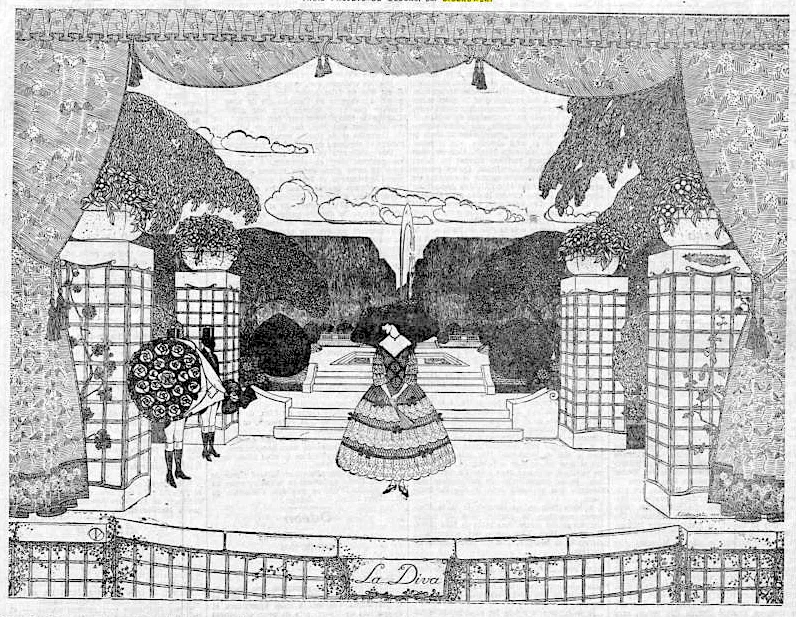
After the Wrap: Building a Second Life for Every Set You Make
Cameras wrap, but the world you built does not vanish. It gets sold, donated, stored, or dumped. The smartest studios now plan that second life before the first shot.
Category
23 articles
Cameras wrap, but the world you built does not vanish. It gets sold, donated, stored, or dumped. The smartest studios now plan that second life before the first shot.
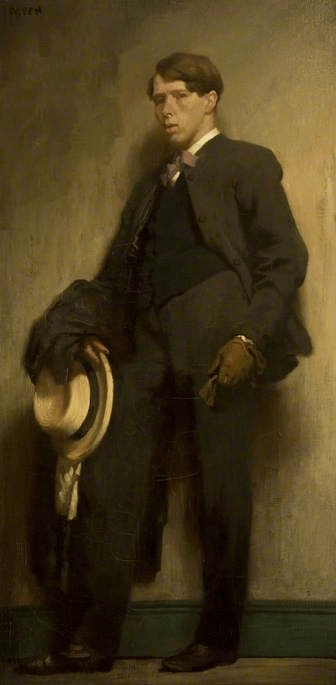
Studios aren't waiting for art school portfolios anymore—they're sliding into the DMs of fan artists with 40,000 TikTok followers. The pipeline is real, the pay is improving, and the IP landmines are exactly where you'd expect.
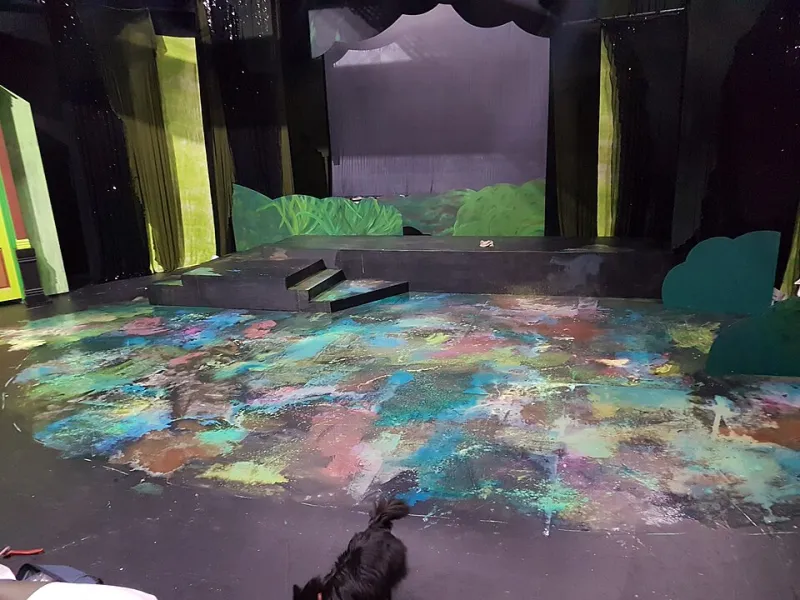
Forced perspective, paper-thin façades, and entire city blocks crammed into soundstages—some of the most convincing 'locations' in film history never existed. A tour through the practical illusions that still hold up, and what each one teaches anyone designing sets today.
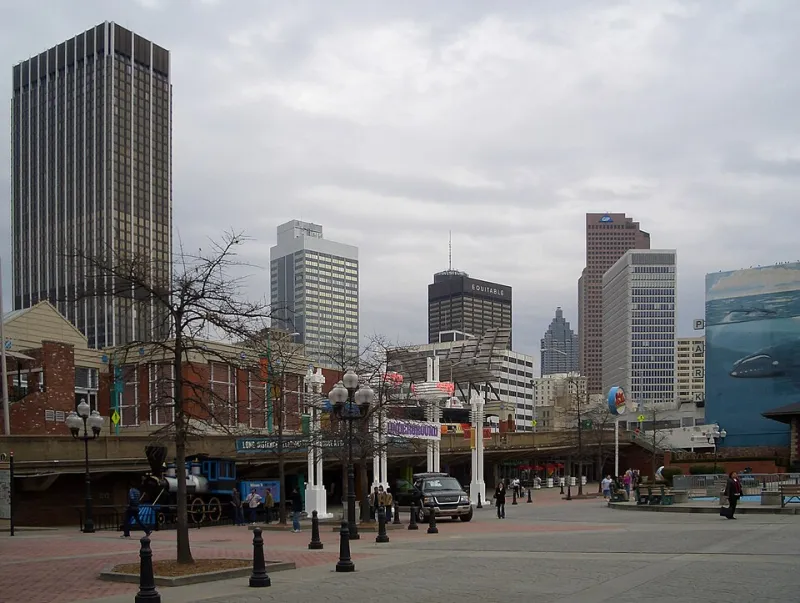
For years, second-tier production cities were just cheaper backdrops for coastal visions. That era is ending—and the design work coming out of these cities looks like nowhere else.
A generous budget doesn't guarantee great work—sometimes it guarantees the opposite. The studios and designers producing the most memorable projects right now are often the ones with the least runway, inventing solutions that their well-funded competitors never had reason to find. Scarcity, it turns out, is a hell of a creative brief.
Render queues are no longer just a technical inconvenience—they're actively shaping which creative ideas survive long enough to see daylight. When inspiration has to wait three days for a frame to process, something important gets lost. Here's what studios are doing about it.
Every creative studio has felt it — that gut-punch moment when a brilliant idea stalls out waiting on a render that won't finish until tomorrow morning. Computational limits are quietly reshaping what gets made, what gets cut, and what never gets tried at all. Here's how smart studios are learning to work with their machines instead of against them.
Real-time rendering and AI-assisted visualization are handing studios the ability to test wild ideas at a fraction of the old cost — but faster doesn't always mean better. We talked to VFX supervisors and creative directors about whether this speed is unlocking bold creative choices or just fueling endless revision spirals that never land anywhere.
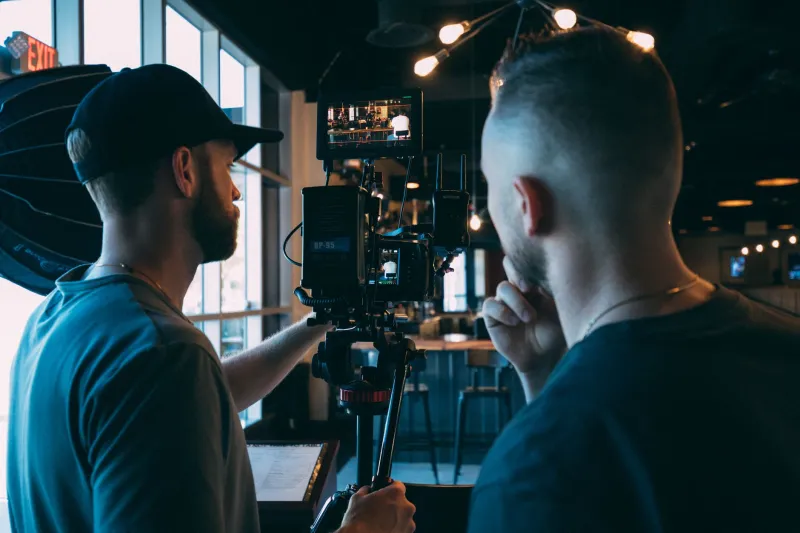
A bold visual concept can survive a hundred revision rounds in the studio and still die the moment it gets handed to the next department. The gap between creative intention and final delivery is where great work quietly falls apart—and most studios still don't have a real system for closing it.
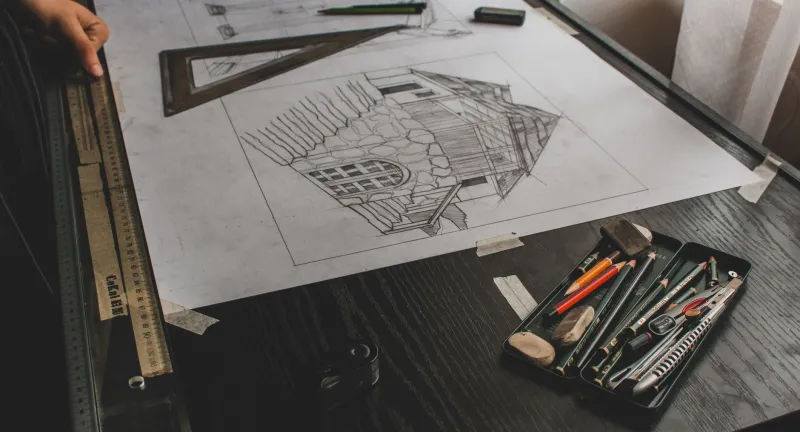
The most visually stunning sets in film and TV history didn't survive by accident — they survived because someone deliberately tried to destroy them first. Planning for failure isn't pessimism; it's the most ambitious thing a production designer can do.
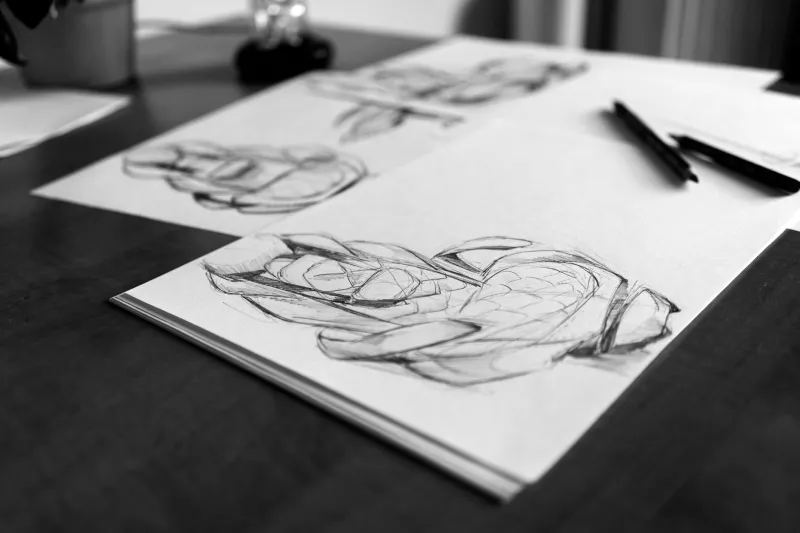
Photorealistic renders have become the default language of early-stage creative development — but that polish comes with a hidden cost. When every concept looks finished before it's actually figured out, the messy, generative work that produces genuinely surprising design gets quietly squeezed out of the process.
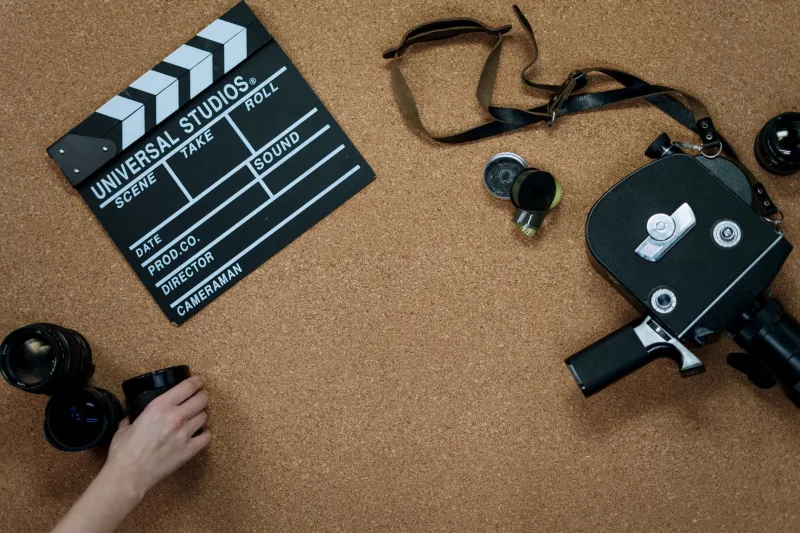
Production designers and cinematographers are supposed to be the two most visually fluent people on any set. So why do their conversations so often end in confusion, compromise, or outright conflict? The gap isn't about talent — it's about language, training, and the invisible walls built between departments long before anyone calls action.
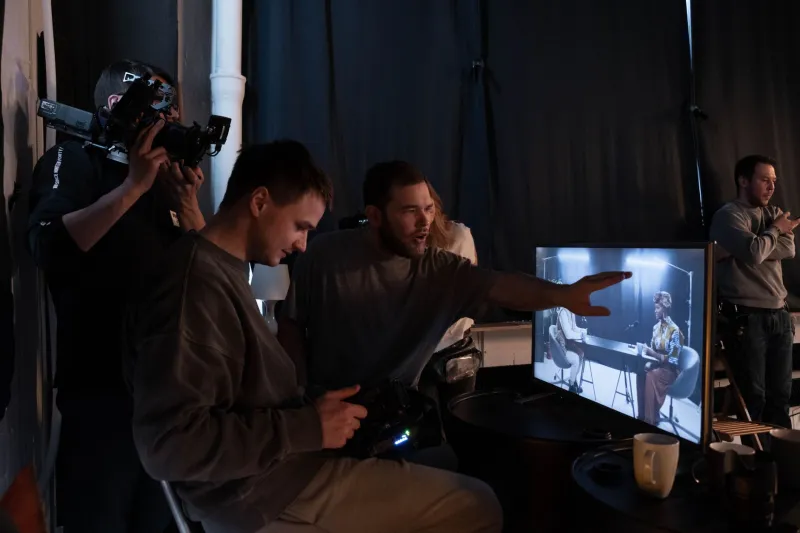
For decades, production designers and cinematographers have operated like neighbors who share a wall but never knock. Forward-thinking studios are changing that dynamic—and the results are showing up on screen in ways audiences can feel even if they can't name them.
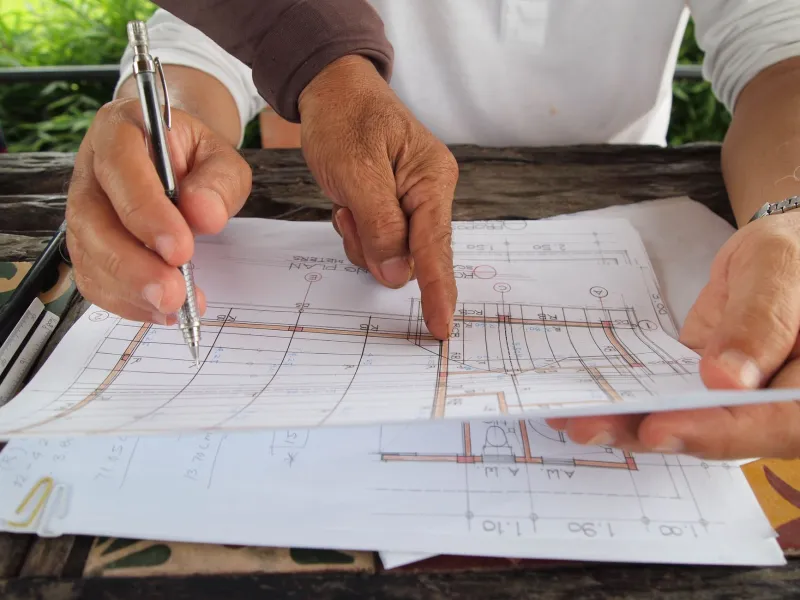
Most studios don't bring production designers into the conversation until the script is locked and the budget is already carved up. That's a costly mistake—and a creative one. Here's why the smartest productions are flipping that timeline.
Long before an actor delivers their first line, a room is already doing the talking. Production designers and casting directors are working closer together than ever, using spatial storytelling to shape how audiences feel about a character the moment they walk on screen. Here's what that collaboration actually looks like in practice.
Static mood boards have had a good run, but a new generation of design studios is replacing them with something far more alive. Interactive digital ecosystems are changing how clients feel a project before production even begins — and the results are reshaping how creative visions actually get greenlit.
Long before an actor walks into an audition, production designers and creative directors have already built a vivid picture of who that character is supposed to be. The visual language developed in pre-production doesn't just set the stage—it can quietly steer the entire casting conversation. Here's how that process actually works.
The wide shot is no longer king. As TikTok, Reels, and short-form streaming reshape how audiences consume content, production designers are being forced to rethink composition, color, and spatial storytelling from the ground up. Here's what's working, what's flopping, and why the studios that adapt fastest are pulling ahead.
Digital storyboarding tools are faster, cleaner, and easier to share — so why are some of the sharpest creative minds in the business reaching back for a pencil? We dig into the psychology behind hand-drawn visualization and why it might be the most underrated pitch tool in a studio's arsenal.
In a world where every streaming platform is fighting for eyeballs, the smartest players are winning ears instead. Audio branding has quietly become one of the most powerful tools in entertainment—and most studios are still sleeping on it.
Independent filmmakers are increasingly turning to conceptual artists and visual designers as secret weapons — using strong visual storytelling to punch well above their budget weight class. We explore how these creative partnerships actually work, and what emerging directors can learn from them.
Long before an actor delivers a single line, production designers are quietly building character identities through color. From costume palettes to set dressing choices, these visual decisions carry enormous emotional weight — and the best designers know exactly how to wield them.

In an era dominated by CAD software and virtual pre-visualization tools, a growing number of production designers are reaching for something far more primal — clay, foam, and their own two hands. We dig into why tactile prototyping is making a serious comeback on big-budget productions, and what it means for the future of set design in streaming and film.